
14-month DESNZ-funded feasibility study finds that an adsorption chiller running on recovered CHP waste heat outperforms heat pumps, absorption chillers and liquid desiccant systems on energy use, lifecycle cost and plant comfort
Sheffield, UK — October 2026 — Future Greens, a UK technology developer for the food and drinks manufacturing sector, and the UK Agri-Tech Centre (UKATC) have completed a government-funded feasibility study into low-carbon cooling for vertical farms, concluding that a waste-heat-driven adsorption chiller is the best available solution for container-based growing operations. The 14-month project was funded by the Department for Energy Security and Net Zero (DESNZ) through the Industrial Energy Transformation Fund (IETF) and ran from June 2025 to August 2026.
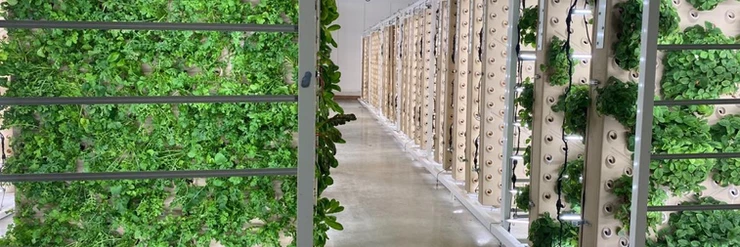
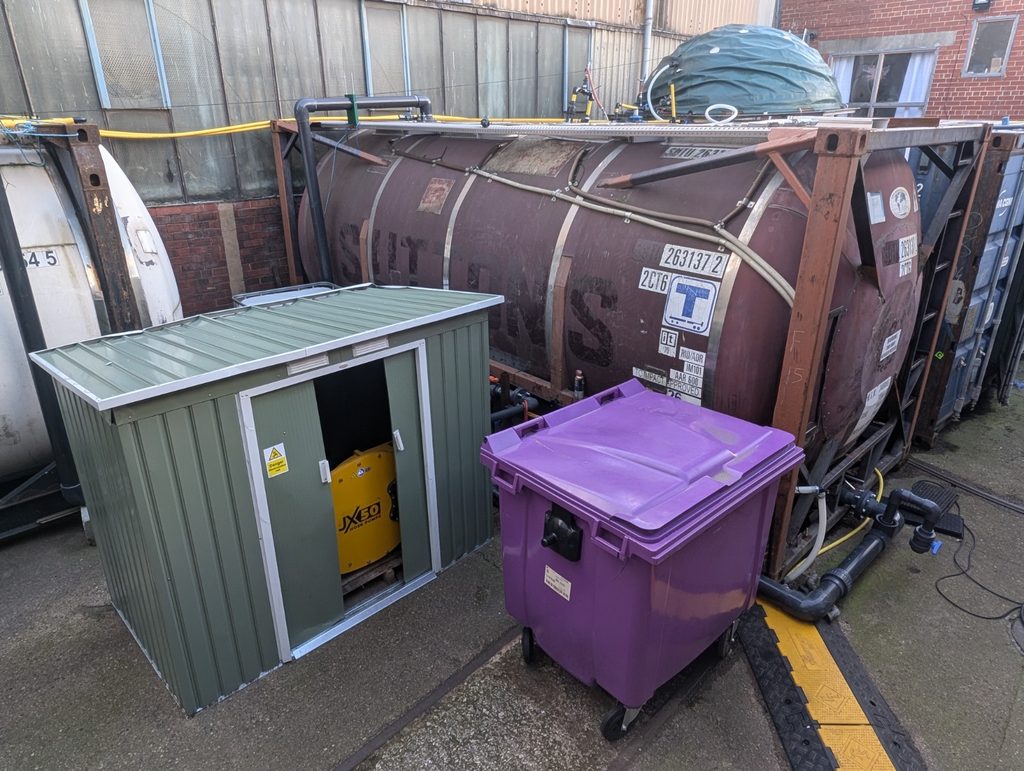
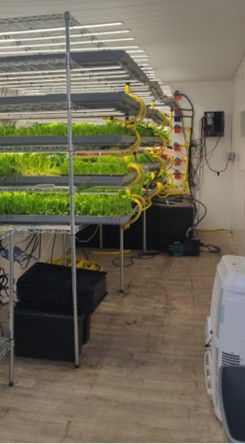
Future Greens develops technology for the food and drinks manufacturing sector. At its own site, a proprietary anaerobic digester fuels a combined heat and power (CHP) unit alongside a pilot vertical farm housed in retrofitted shipping containers, which served as the test bed for this study. Before the project, the farm’s cooling relied on conventional electrically driven systems and simple ventilation, which struggled with temperature control and left the CHP unit’s waste heat largely unused. The study set out to test whether that waste heat could instead be put to work cooling the crop environment, cutting electricity use and exposure to volatile energy prices.
Over 14 months, Future Greens led the technical work packages and UKATC led project management and wider-impact analysis as the partners benchmarked four cooling technologies against the existing baseline: an electrically driven heat pump, an absorption chiller, an adsorption chiller and a liquid desiccant dehumidifier.
Each system was assessed through techno-economic modelling, computational fluid dynamics (CFD) simulation of conditions inside the growing container, life-cycle assessment and a weighted-matrix comparison combining technical and economic performance.
The adsorption chiller came out on top, scoring highest in the weighted-matrix ranking on the strength of its energy performance, low running cost and strong financial return when powered by CHP waste heat. Modelled for the farm’s 10 kW cooling load, the system halved the operational costs and had the strongest payback time out of all systems measured.
CFD simulation of the growing container supported the result from a plant-comfort perspective: the adsorption chiller produced the most favourable temperature and humidity conditions of the systems tested. The liquid desiccant system, while effective at deep humidity control, was found better suited as a complementary, optional add-on at larger scale than as part of the baseline cooling architecture for a single container. A separate life-cycle assessment found the heat pump carried the lowest carbon footprint of the four options and the liquid desiccant system the highest, underlining that the right choice of cooling technology depends on whether a site is optimising for cost, carbon or both.
Future Greens says the results are directly replicable across other container-based vertical farms with access to suitable waste heat, and, working with UKATC, has used the project to assess the wider case for recovered-heat cooling across controlled environment agriculture and other heat-generating industries such as breweries, dairies and food processing. The IETF grant funded the comparative technology analysis, CFD validation and life-cycle assessment work that the partners say de-risked the technology choice and gave Future Greens an investable, evidence-based design for recovered-heat cooling that it can take to the manufacturers it works with.
“The IETF funding let us test every serious option side by side. We came out with a clear answer and a design we can build on, both on our own site and for the food and drinks manufacturers we work with.” said Alastair Roper, Director at Future Greens.
About Future Greens

Future Greens is a UK technology developer working in the food and drinks manufacturing sector. After building and operating their proprietary anaerobic digester on their own site, Future Greens have continued to build anaerobic digesters for other food and drinks manufacturers across the UK. The IETF-funded feasibility study applied the company’s waste-heat expertise to a vertical-farming use case and, in partnership with UKATC, identified opportunities for recovered-heat cooling across controlled environment agriculture and the wider food and drinks sector.
About UK Agri-Tech Centre (UKATC)

UK Agri-Tech Centre (UKATC) supports the adoption of new technology across agriculture and controlled environment agriculture. On the Future Greens project, UKATC led project management and the assessment of the study’s wider impact and replicability across the sector, and authored the project’s business case for recovered-heat cooling in CEA and related industries.
For more information, contact Alastair Roper and click here to take a peak into a UKUAT networking lunch as Alastair shares his insight into the feasibility of waste heat cooling in vertical farms.