

Blog
News from the network.
Image: IGS
-

VERTICALISAR: Mission to and from the Legal Amazon
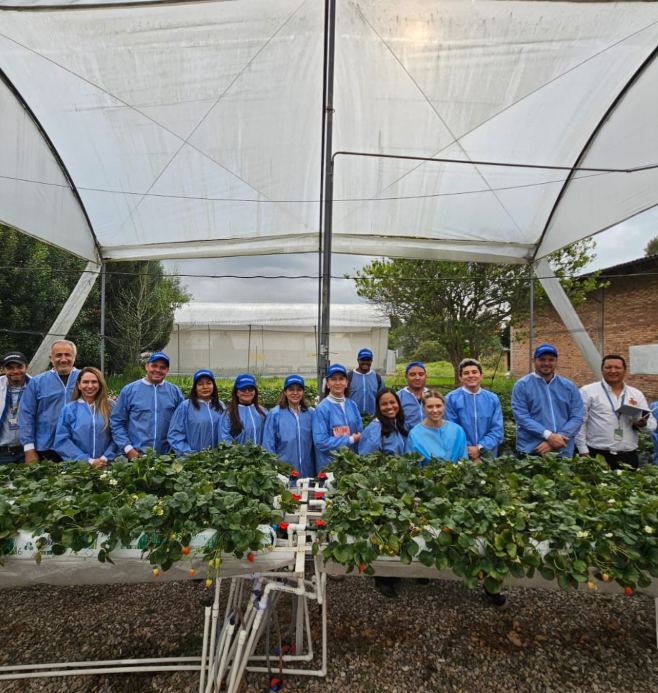
As a young Brazilian state, Tocantins residents are under pressure to produce more food without adding to the increasing deforestation the Amazon has seen for many years. A research team is exploring whether vertical farming could offer a different approach to food production in the Legal Amazon. Their project, VERTICALISAR, is investigating how it could…
-
Harvest London and Crate To Plate deploy Ani to connect confirmed customer orders to crop scheduling in real time.
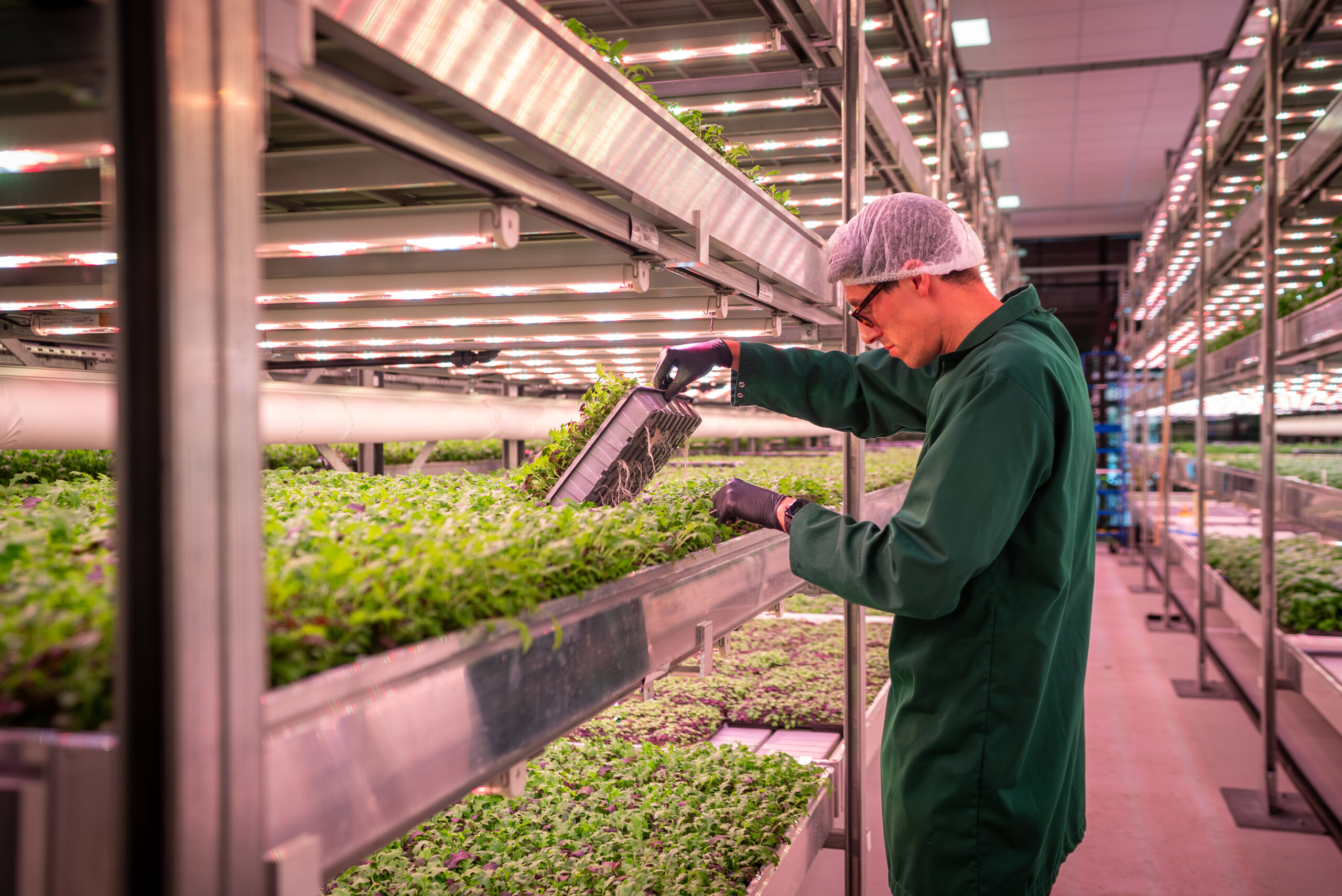
Harvest London and Crate to Plate deploy Ani software platform under DEFRA’s ADOPT programme to connect customer orders directly to growing decisions London, 7th July 2026 – Harvest London and Crate to Plate have been awarded funding through DEFRA’s ADOPT programme to deploy Ani, a production planning platform developed by Harvest London that connects confirmed…
-
UK CEA Sector Faces Multi-Million-Pound Annual Energy Cost Surge
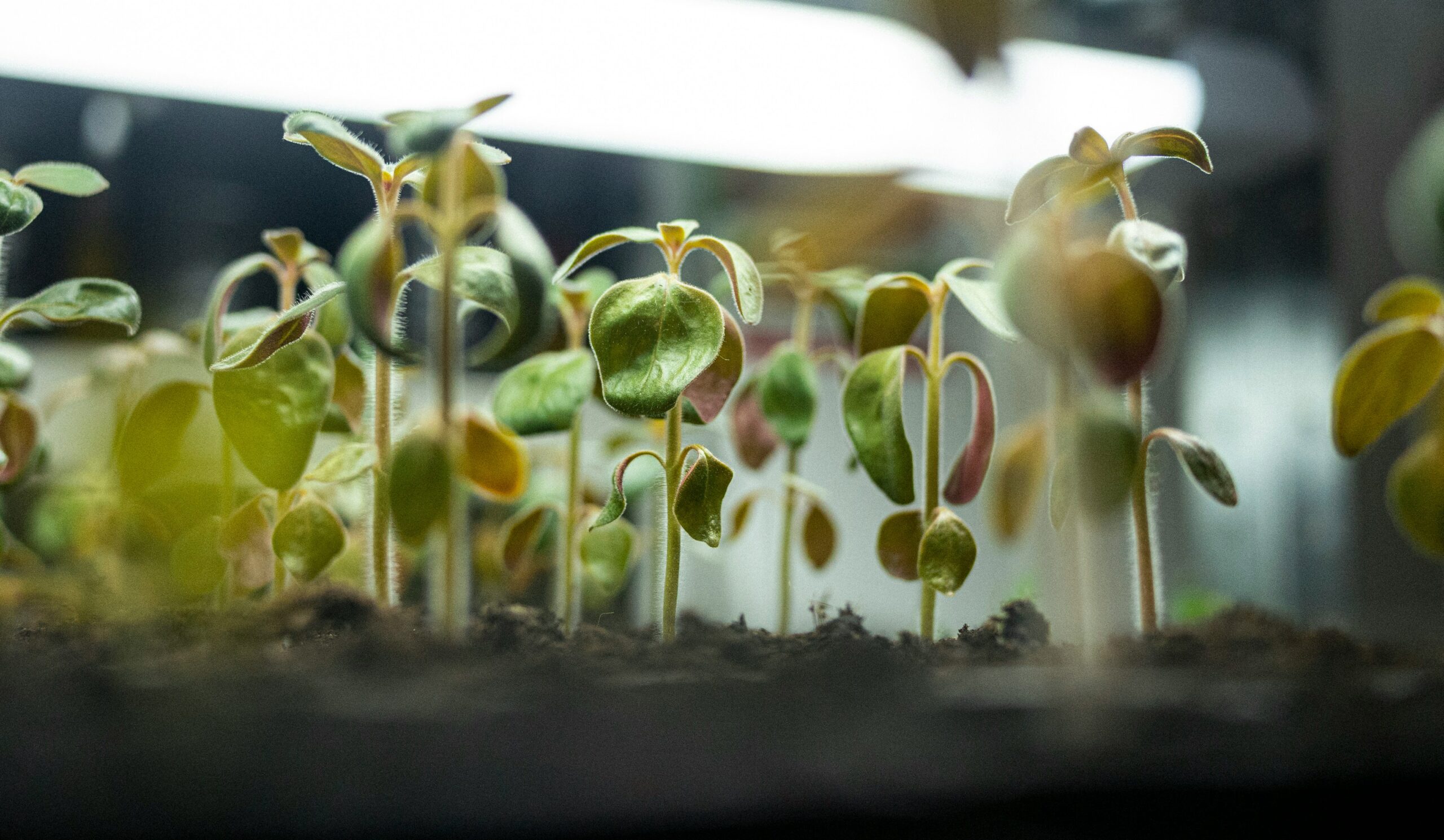
Urgent Government Action Needed to Prevent Higher Costs for Consumers and Major Risks to UK Food Resilience. The UK’s controlled environment agriculture sector is sounding the alarm over a devastating 94% increase in electricity network standing charges scheduled for April 2026. Without urgent government cooperation, the financial impact could trigger widespread business failures, reduce domestic…
-

Urban Agritech for Stronger Communities: The 4 Ps You Need to Know
Community in Urban Agritech isn’t just about growing food.It’s about growing possibilities. The sector brings together people, planet, place and prosperity in ways that can transform an empty building into a buzzing hub of energy, learning and year-round harvests. When that happens, you don’t just change a high street. You change lives. People Every sustainable…
-
Agri-Tech is Now a “Frontier Industry”: What This Means for Urban Farming
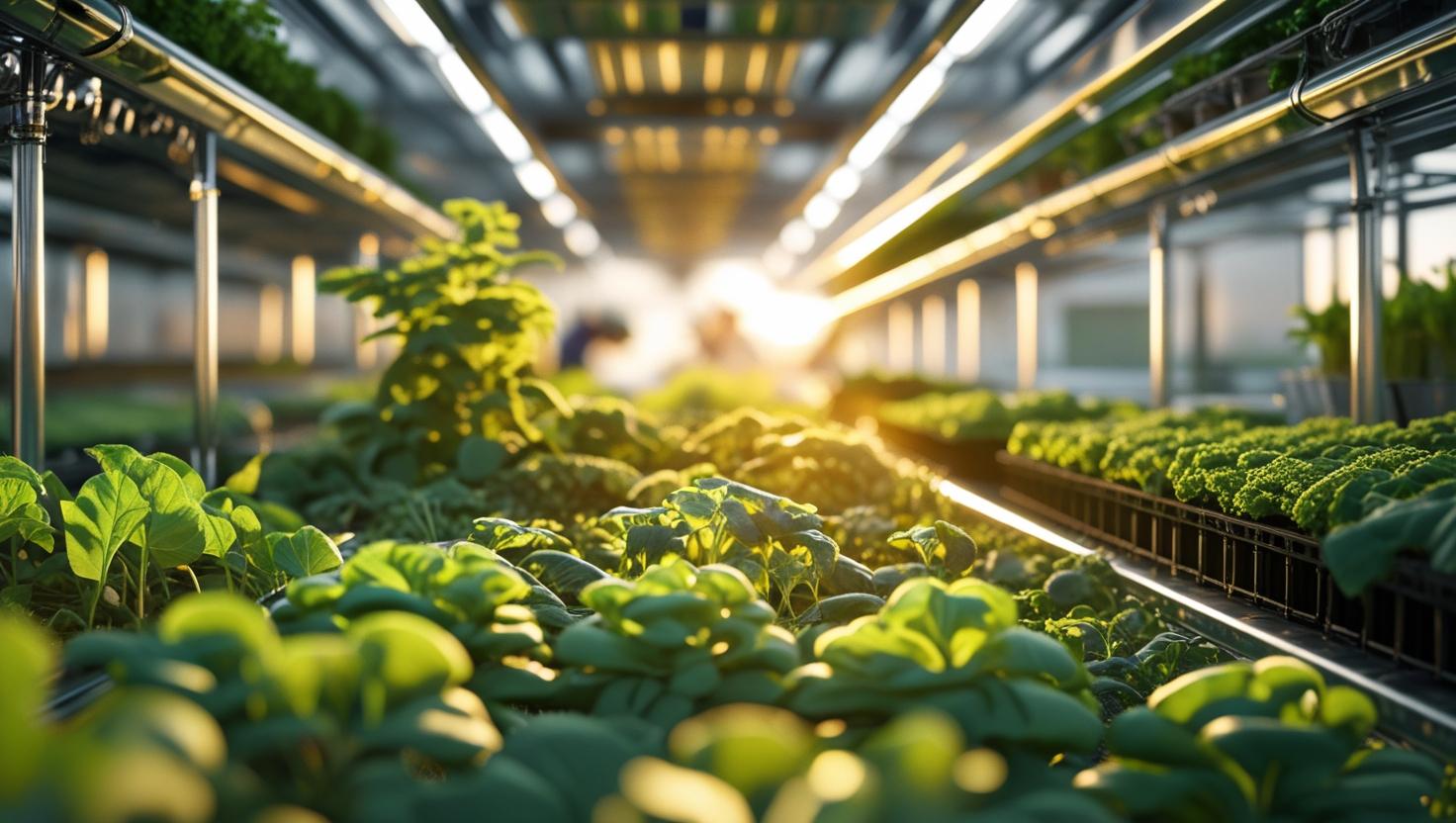
The UK Government has just named Agri-Tech a frontier industry — and it’s about time. With a bold new strategy and significant funding commitments, agri-tech is being recognised as a critical engine for growth, innovation, and sustainability in the UK economy. And if you’re working in urban or controlled environment agriculture, this is your moment.…
-
Starting up in CEA: New Founder’s Lessons Learned
Community, Complexity, and Curiosity This month’s Member Spotlight comes with something a little different. Will Matthews, new entrant to the sector and founder of vertical farming start-up Harvestory, has penned a thoughtful piece reflecting on his first steps into the controlled environment agriculture (CEA) sector. We’re featuring it to celebrate his journey and highlight the…
-
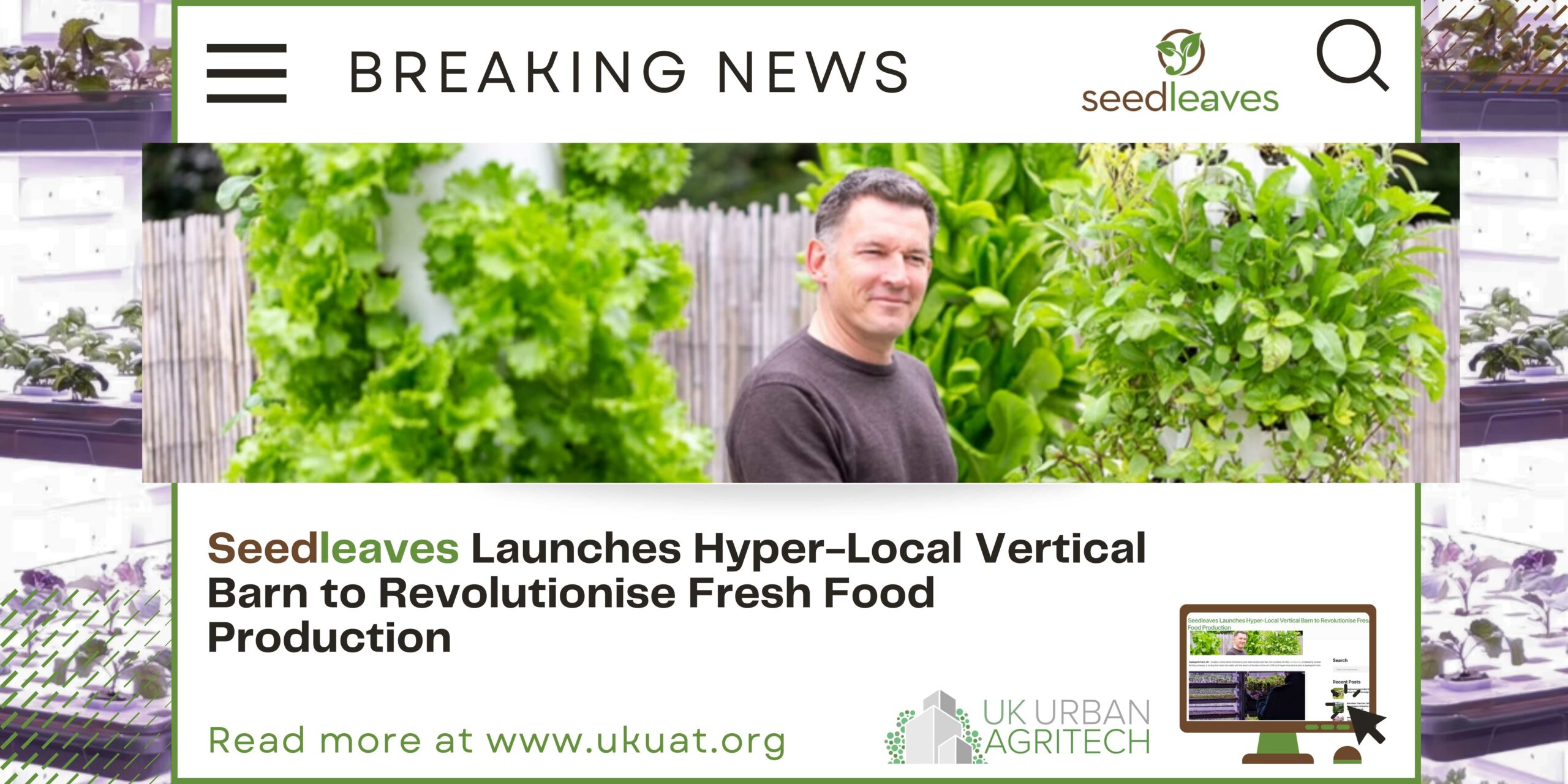
Seedleaves Launches Hyper-Local Vertical Barn to Revolutionise Fresh Food Production
Applegarth Farm, UK – Imagine a world where the food on your plate travels mere feet, not hundreds of miles. Seedleaves, a trailblazing vertical farming company, is turning that vision into reality with the launch of its state-of-the-art 5,000 sq ft hyper-local vertical barn at Applegarth Farm. Growing Freshness Where It’s Eaten Nestled in the…
-
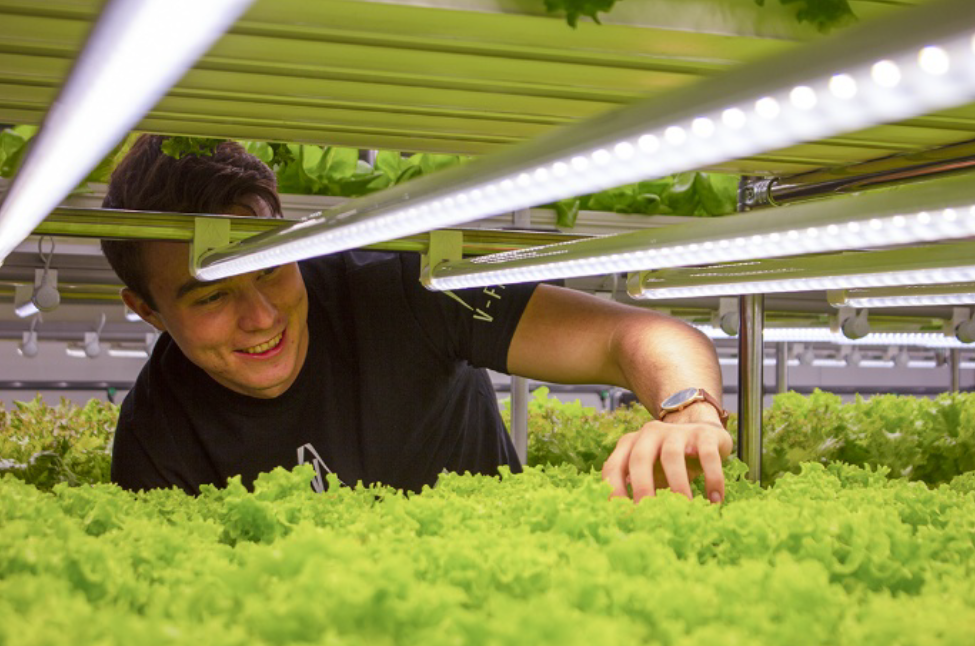
Engineering Controlled Environments: From Urban Farms to the Edge of Space
Introdicing our UKUAT Ambassador for Engineering Innovation
-
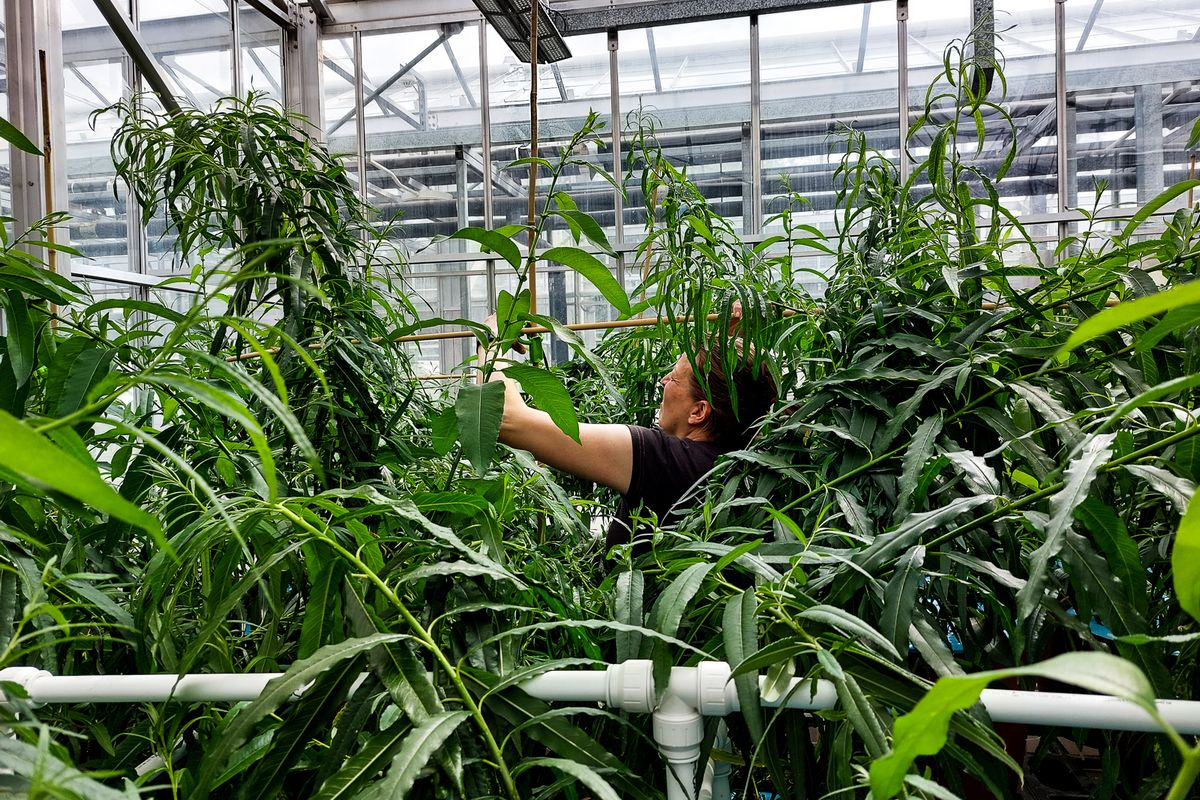
Now More Than Ever: Why Sharing Knowledge is Critical for the Future of AgriTech in the UK
The UK agritech industry is at a pivotal moment. At the beginning of April, Jones Food Company — Europe’s largest vertical farm upon launch— entered administration. It’s a sobering reminder of the challenges our sector continues to face: high energy costs, tricky routes to market, and the persistent pressure to prove commercial viability at scale.…
-
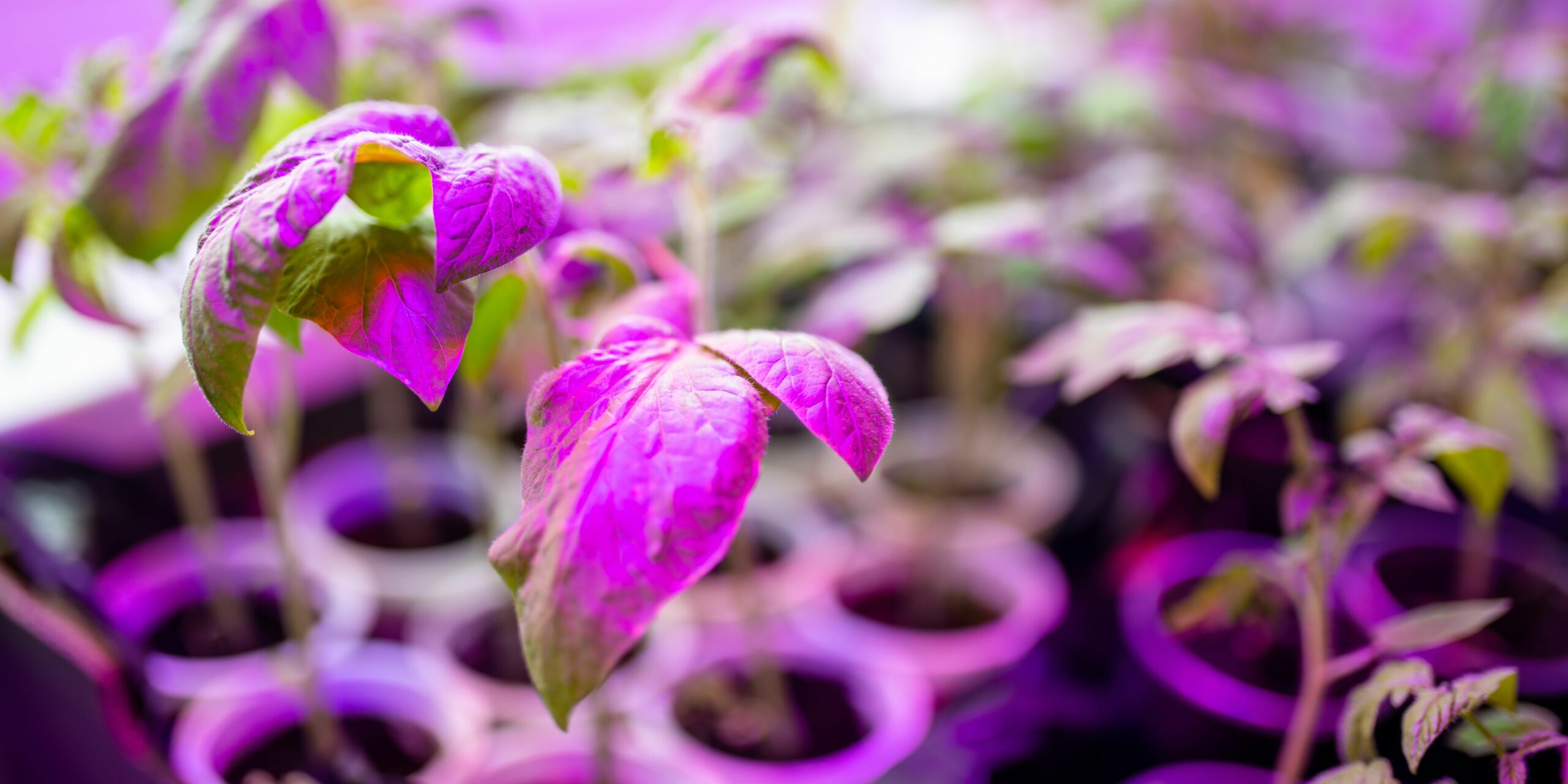
Integrating AgriTech: The Role of Technology, Funding, and Cross-Sector Collaboration.
The Importance of Integration in AgriTech In an industry that faces increasing pressure to produce more with fewer resources, integration is key to unlocking the full potential of AgriTech. Whether it’s combining automation with traditional farming practices, integrating renewable energy sources into Controlled Environment Agriculture (CEA), or ensuring financial strategies align with technological advancements, seamless…