
Urgent Government Action Needed to Prevent Higher Costs for Consumers and Major Risks to UK Food Resilience.
The UK’s controlled environment agriculture sector is sounding the alarm over a devastating 94% increase in electricity network standing charges scheduled for April 2026. Without urgent government cooperation, the financial impact could trigger widespread business failures, reduce domestic production, and drive up food prices for millions of consumers.
A Growing Crisis for Both Glasshouses and Vertical Farms
Although current data focuses on protected horticulture, Vertical Farms (VFs) face an equally severe threat. The planned charges are based on grid pull capacity rather than actual energy usage; larger energy-intensive VFs, including major operators, could shoulder enormous additional costs. Even smaller vertical farms, which operate on razor-thin margins, risk existential challenges. Additionally, these charges will make investment in new VFs less likely due to the increased risk resulting from decreased margins.
Sector Excluded From Energy Intensive Industries (EII) Relief
Part of the problem is the sector’s exclusion from the Energy Intensive Industries (EII) exemption scheme—a policy oversight rooted in outdated Standard Industrial Classification (SIC) codes.
Despite operating with energy demands equivalent to many manufacturing sectors already receiving a 90% discount, vertical farming remains ineligible for this critical relief. Updating eligibility would offer essential support, though continued cost rises mean many businesses will still struggle even with relief in place.
UK Growers at a Competitive Disadvantage
UK energy prices remain the highest in Europe, leaving domestic growers, both horizontal and vertical, at a disadvantage compared with peers in places like Holland and Belgium. Industrial electricity prices currently sit at £56/MWh in the UK, compared to £34–£38/MWh in major EU horticultural nations.

Expected Financial Shock
For some large glasshouse businesses, the planned 94% increase in the standing charge could add almost £1 million to annual operating costs. Vertical farms, which often require high-capacity grid connection infrastructure for lighting and HVAC systems, will face similarly unsustainable increases.
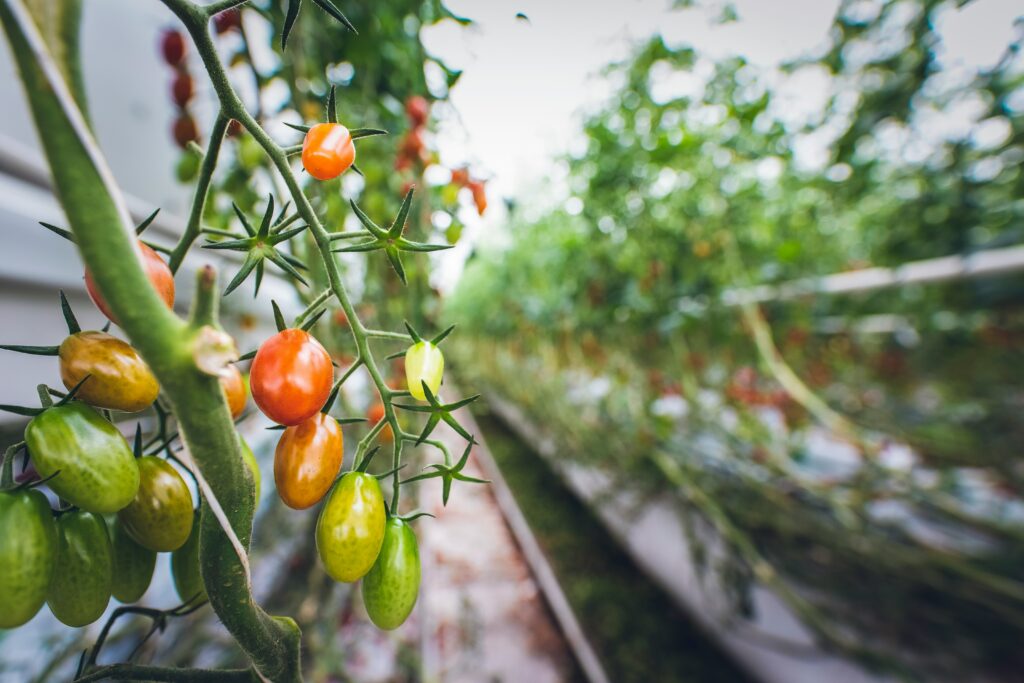
Growers across the sector supply essential year-round crops, from tomatoes, cucumbers, and peppers to vertically farmed leafy greens, herbs, and soft fruits. With margins already squeezed, few can absorb a hit of this magnitude.
“For the Controlled Environment Agriculture sector including businesses like ours, a near-doubling of standing charges is simply not absorbable. Without urgent inclusion of horticulture in the Energy Intensive Industries exemption scheme, we risk undermining domestic food production at the very moment it is most needed. Rising energy costs will push growers out of production and increase costs for consumers.” — Dr Paul Myers Managing Director Farm Urban and Non Exec Director UKUAT
Energy Intensity Overlooked
The exclusion from EII relief is due not to actual energy usage, but administrative technicalities:
- Outdated SIC codes prevent eligibility
- The sector’s energy use ranks mid-table among industries currently receiving EII discounts
- The Government has already recognised the energy-intensive nature of the sector once before, by including vertical farming and CEA in the Industrial Energy Transformation Fund (2023).
A Pillar of the UK Economy and Energy Grid
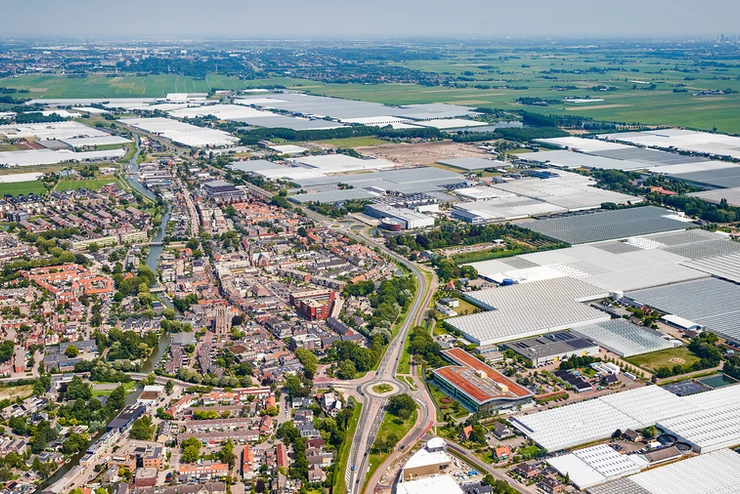
The value of home-produced Tomatoes, Cucumbers and Peppers is over £250 million and supports over 3000 jobs. It also plays a vital role in national energy infrastructure:
- Many sites use Combined Heat and Power (CHP) systems, acting as embedded generators exporting to the grid rather than net importers.
- This local generation enhances grid resilience, reduces transmission losses, and supports the UK’s Net Zero goals.
Consequences for Consumers and the Economy
Without swift action, the wider economy will also be impacted:
- An increase in the cost of food production means potentially impacting consumers, compounding existing struggles with the cost-of-living crisis.
- Unviable costs reduce the competitiveness of UK grower businesses, likely leading to business failures and reduced future investment in more production and innovation.
- Food resilience would be undermined: domestic growing capacity could be reduced, increasing reliance on imports.
- Innovation may stall, slowing progress toward sustainable, low-carbon food systems.
A Lifeline for Growers
Industry bodies across the sector are calling for a common-sense upgrade: Update the eligibility rules for the EII exemption scheme to include CEA, protected horticulture, and vertical farming.
The energy intensity of the sector is clear, the precedent has already been set, and the consequences of inaction will be felt at every level of the UK food system.
“Without urgent action, UK food production is at risk, and consumers will continue to feel the impact at the tills.”
— British Tomato Growers Association & Cucumber and Pepper Growers Association
About UKUAT
UK Urban AgriTech (UKUAT) is an industry members’ association which brings together the UK’s key players in the world of Controlled Environment Agriculture (CEA). We are a cross-industry group comprising growers, researchers, equipment producers, architects, educators, policymakers, and enthusiastic individuals, working together to help shape a resilient, innovative, and sustainable food system for the UK.